
.png)
By MikiIllustrator
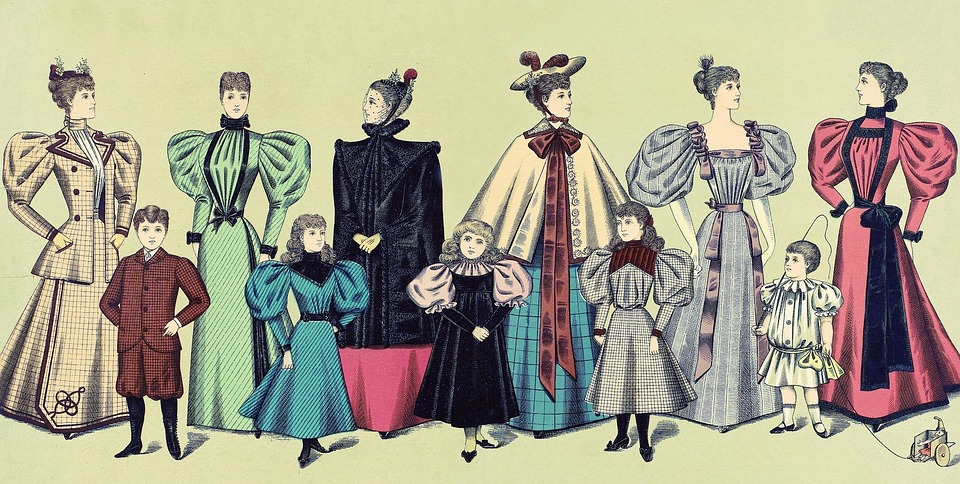
Illustration has always been a powerful bridge between ideas and imagination. Long before photography and digital media, illustrations helped people understand stories, document discoveries, and communicate complex ideas visually. Over centuries, illustration styles have evolved alongside culture, technology, and artistic movements, which reflect the values and aesthetics of each era.
It’s beneficial to have a better understanding of art styles and design movements throughout time periods because it can help you to better seek inspiration for your design needs. In this blog, we break down several key historical illustration styles, highlighting their core characteristics and the moments they defined.
Prehistory and Ancient Egyptian (30,000 BCE - 600 CE)
The origins of illustration predate writing, starting with Paleolithic cave paintings. Using charcoal and ochre, early artists captured their surroundings, particularly depicting animals found around them and their interactions with humans. This art may have been created to help secure a successful hunt, as part of their ritualistic or spiritual practices. These works survived largely due to their remote locations, while most art from Classical Antiquity and the Dark Ages was lost.
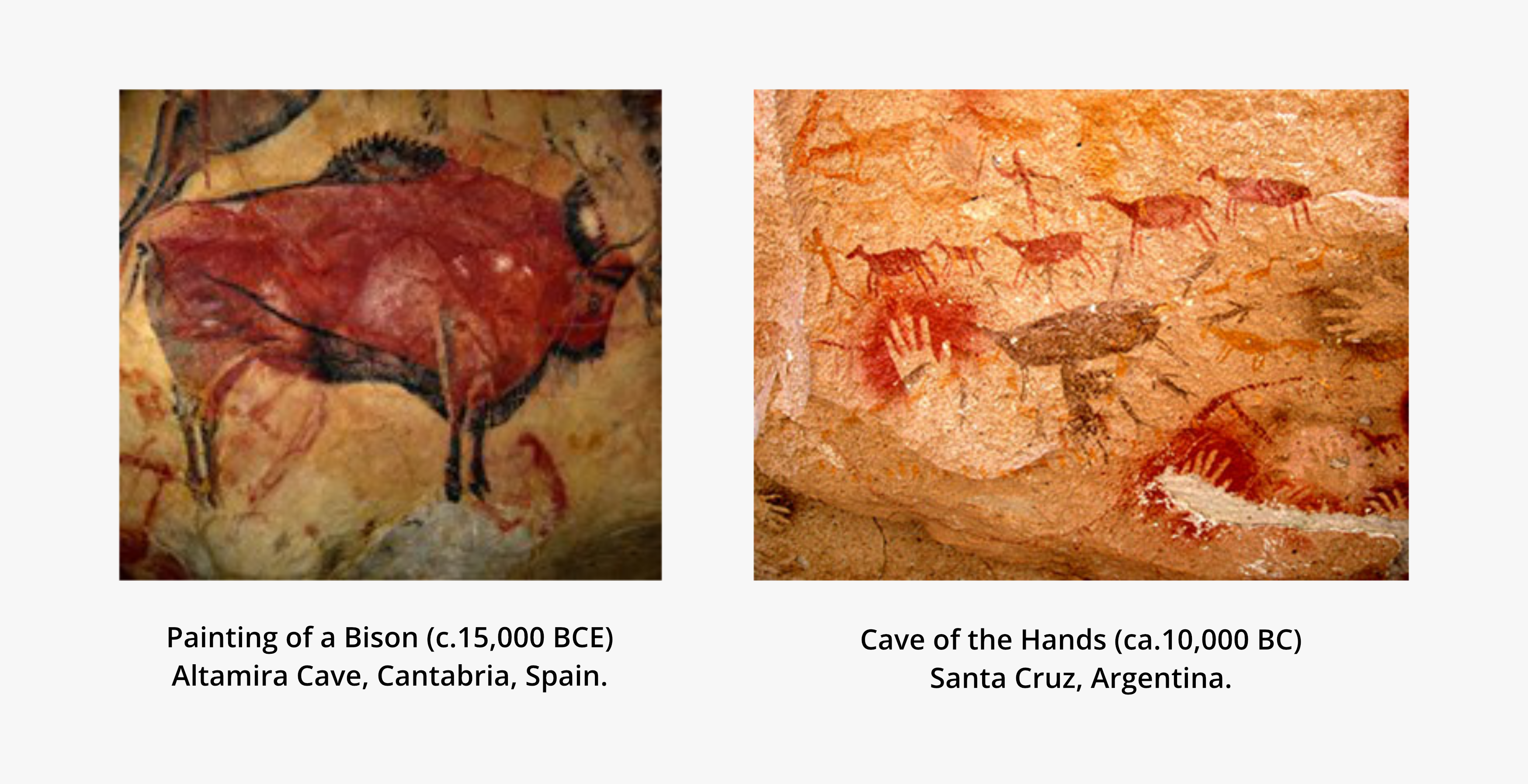
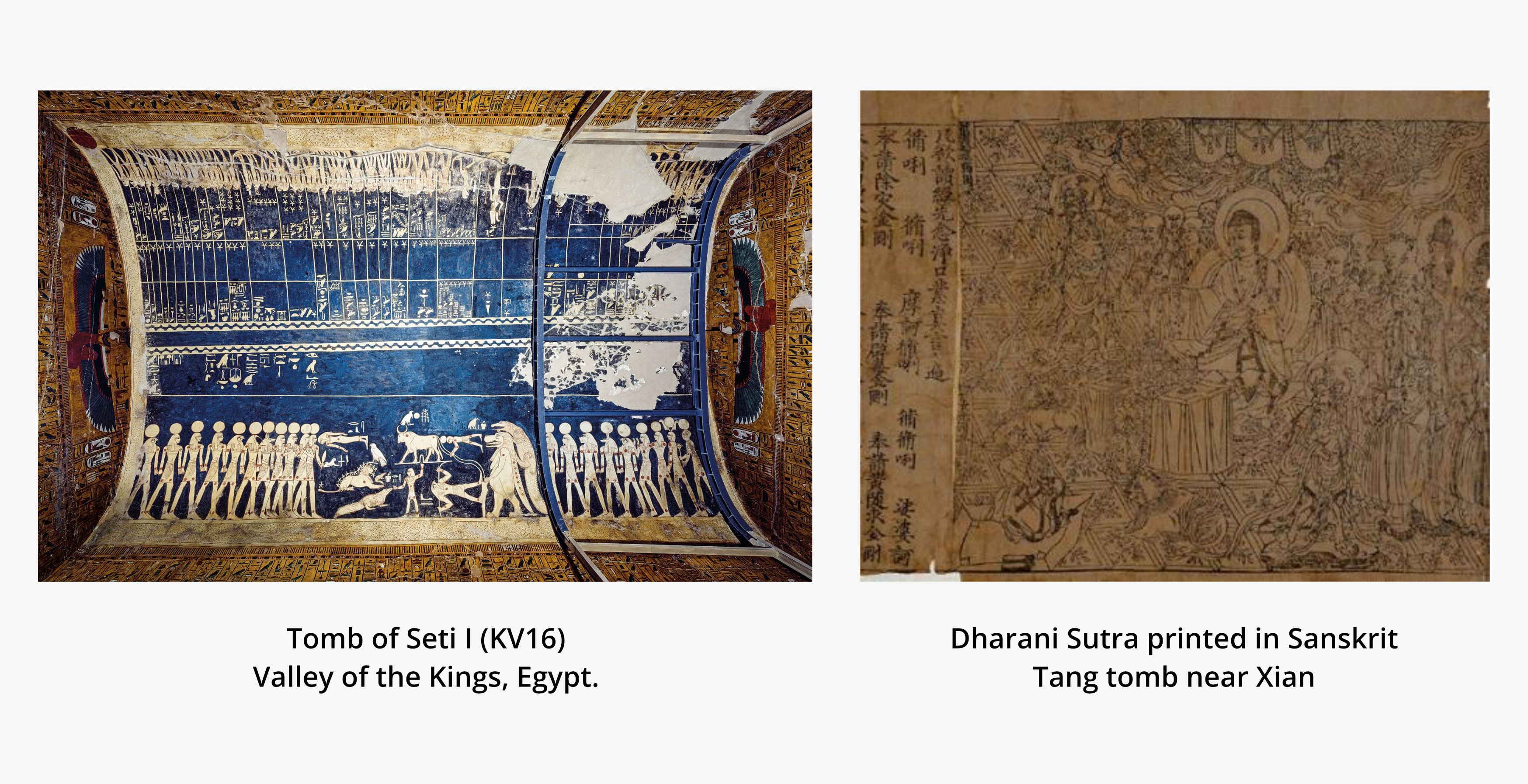
Rare exceptions include Egyptian funerary illustrations found in royal tombs, while in the East (China, Japan), the earliest illustrations emerged through the development of woodcut printing.
Medieval and Early Renaissance (5th - 15th Century)
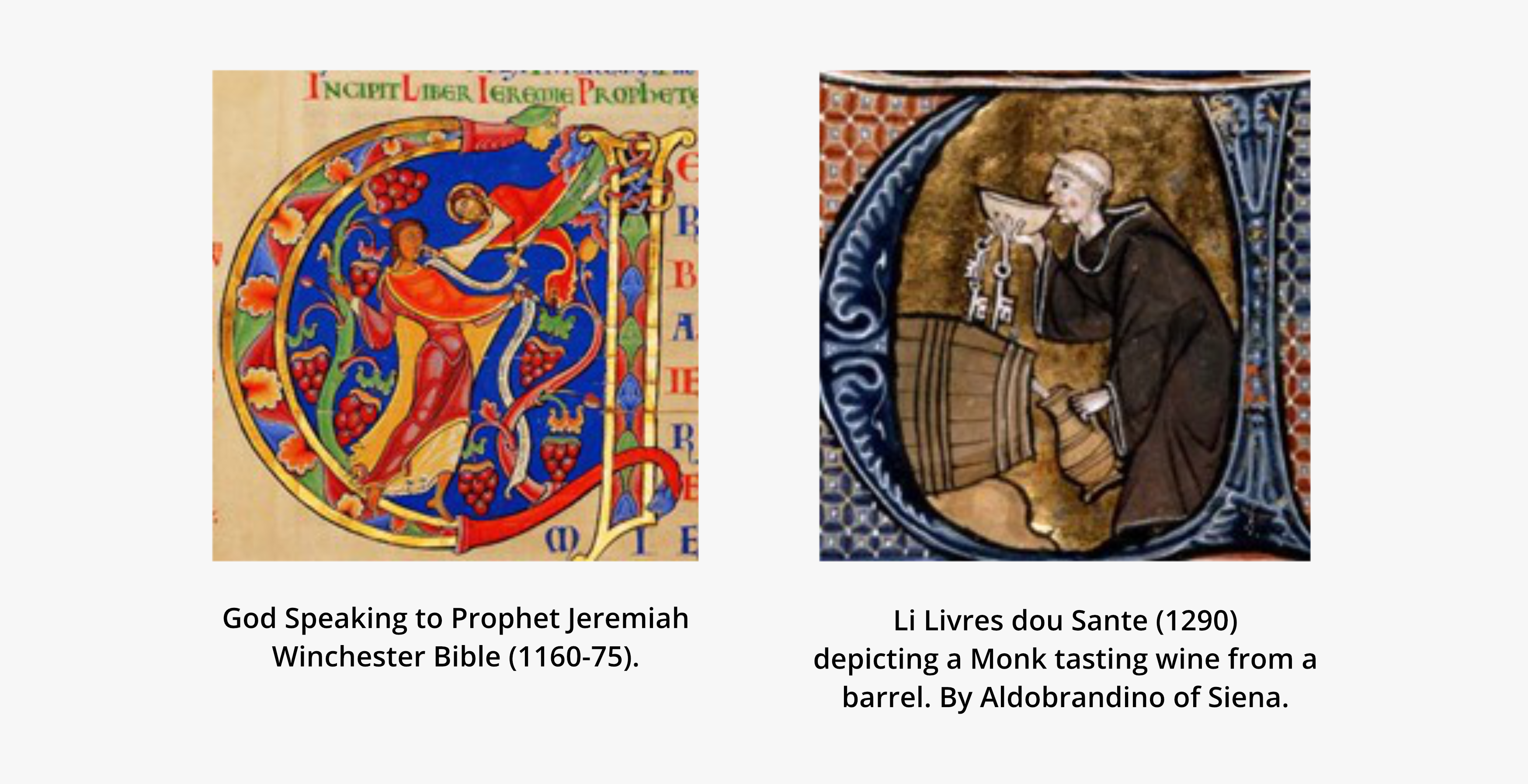
Before the printing press, books were painstakingly written and decorated by hand. Illuminated manuscripts, often produced in monasteries, featured intricate illustrations filled with decorative borders, intricate gilding, gold leaf, and vibrant pigments.
Illustrations during this period were highly symbolic rather than realistic. The goal was spiritual and narrative clarity, portraying religious or moralistic scenes, such as those found in "Bibles Moralisees". These works represent some of the earliest examples of illustration used to enhance storytelling and preserve knowledge.
Renaissance (14th - 17th Century)
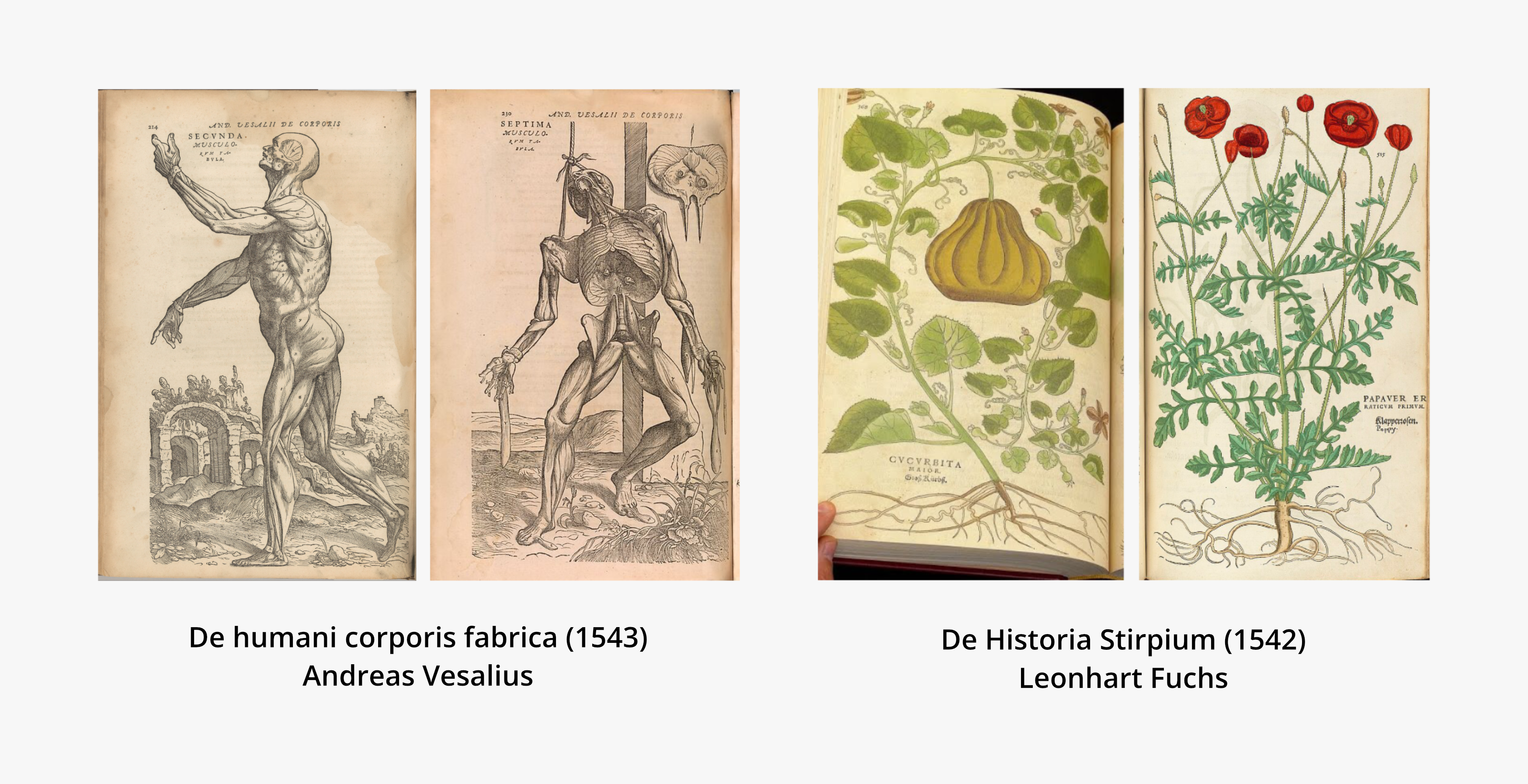
The Renaissance introduced a major shift toward realism and scientific observation. Artists began studying anatomy, perspective, and light, bringing a new level of accuracy to illustrations. Illustrations were used not only in books of literature but also in scientific texts, anatomy studies, and engineering diagrams. Figures became more lifelike, and scenes became more dimensional.
The invention of the Gutenberg press (c. 1440) meant illustrations began to be mass-produced. This popularized woodcut printing, followed by the finer technique of engraving. This style prioritized sharp lines and clear communication for a wider, less wealthy audience. Since this allowed illustrations to be reproduced more widely, it spread literacy, knowledge, and art across Europe.
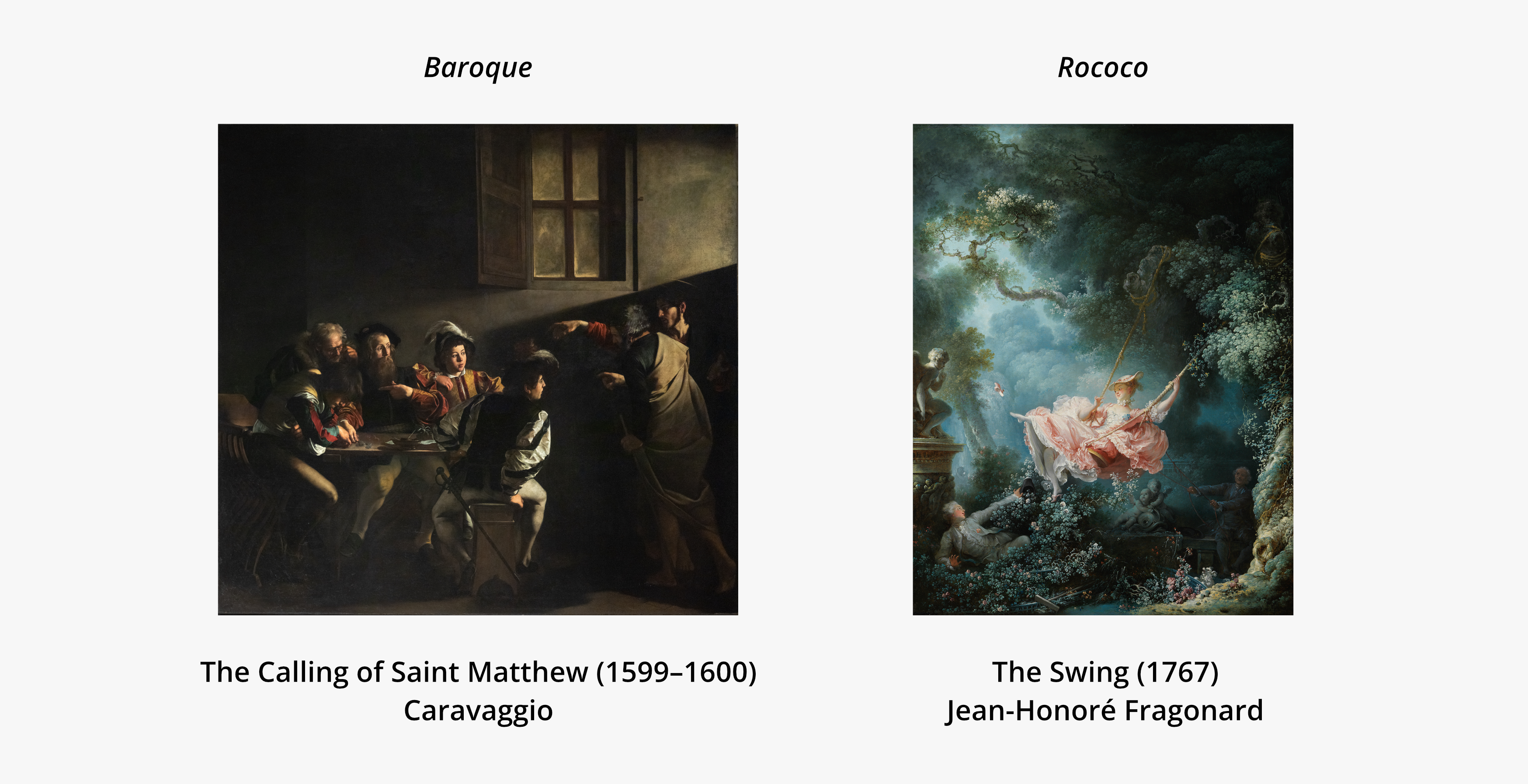
Baroque art, which emerged in the late 16th century and flourished throughout the 17th century, is known for its dramatic intensity, rich detail, and strong use of contrast between light and shadow (chiaroscuro). Often associated with the Catholic Counter-Reformation, it aimed to evoke emotion, movement, and grandeur in viewers. This is followed by Rococo, which is a lighter, more playful evolution of Baroque, favoring soft colors, delicate ornamentation, and intimate scenes of leisure, romance, and aristocratic life.
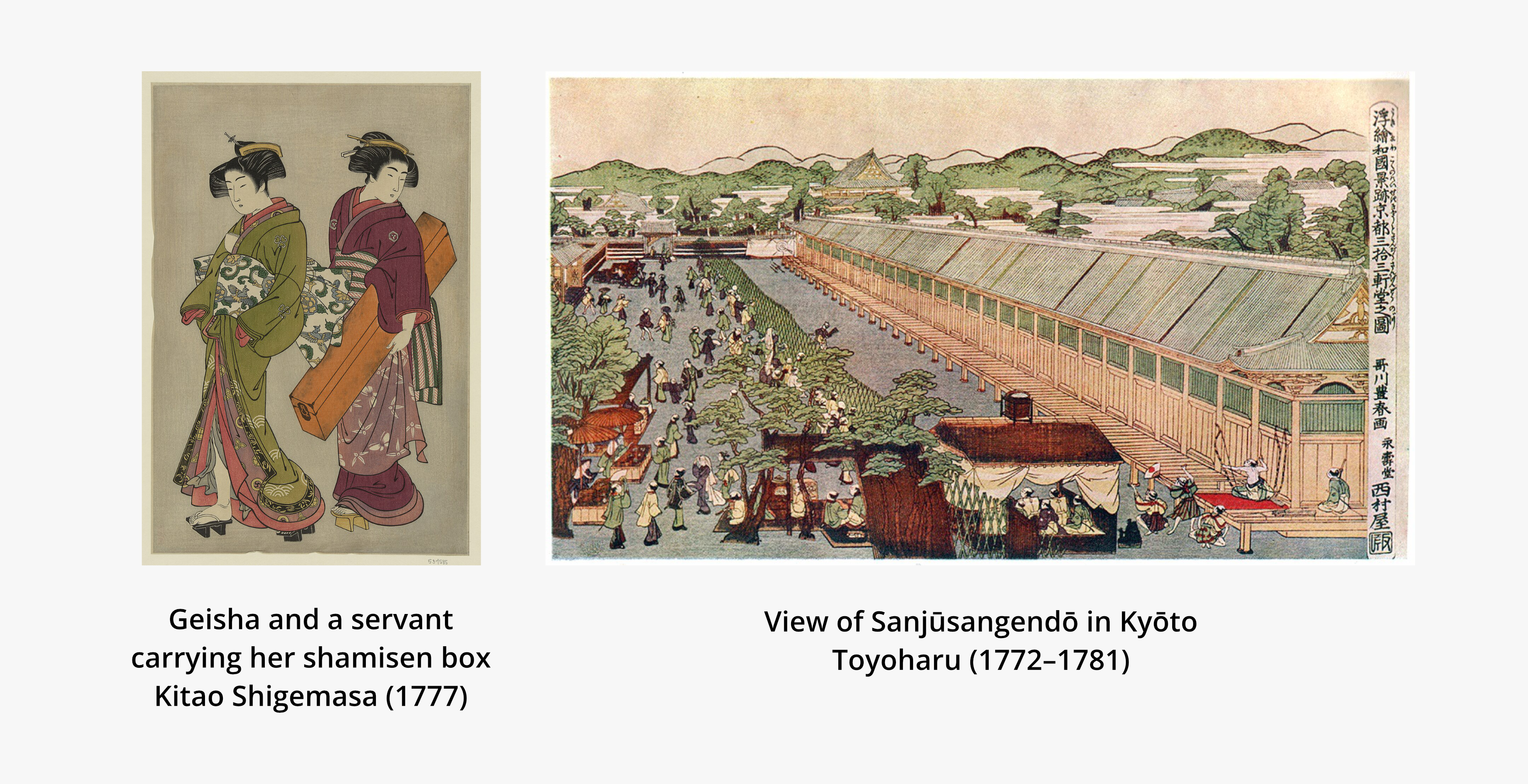
In 17th-century Japan, Ukiyo-e emerged as a highly influential illustration style, known for its expressive lines, vibrant colors, and delicate tonal variations created through inked woodblock printing. Its subjects often depicted folklore, well-known personalities, and scenes from daily life. This strongly influenced Western styles, leading to the elegant, organic lines of Art Nouveau.
Victorian and the Golden Age (18th - 19th Century)
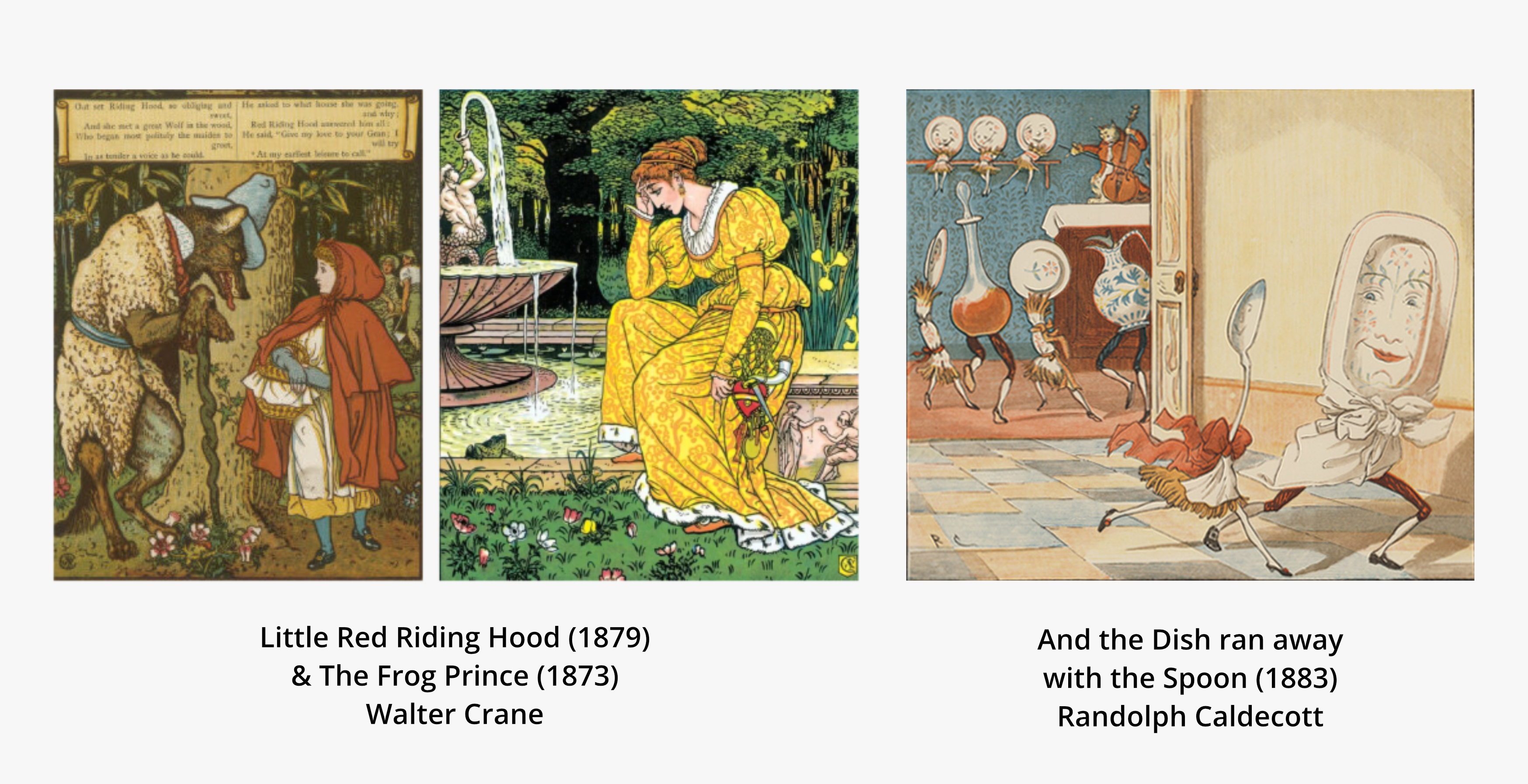
Technological advances, particularly lithography (allowing color printing) and wood engraving, led to a boom in publishing. The Industrial Revolution transformed printing technology, making illustrated books and magazines widely accessible. Artists created richly detailed illustrations for children's books, political satire, and dramatic storytelling illustration. These illustrations helped define how readers imagined classic stories.
Art Nouveau (1890 - 1910)
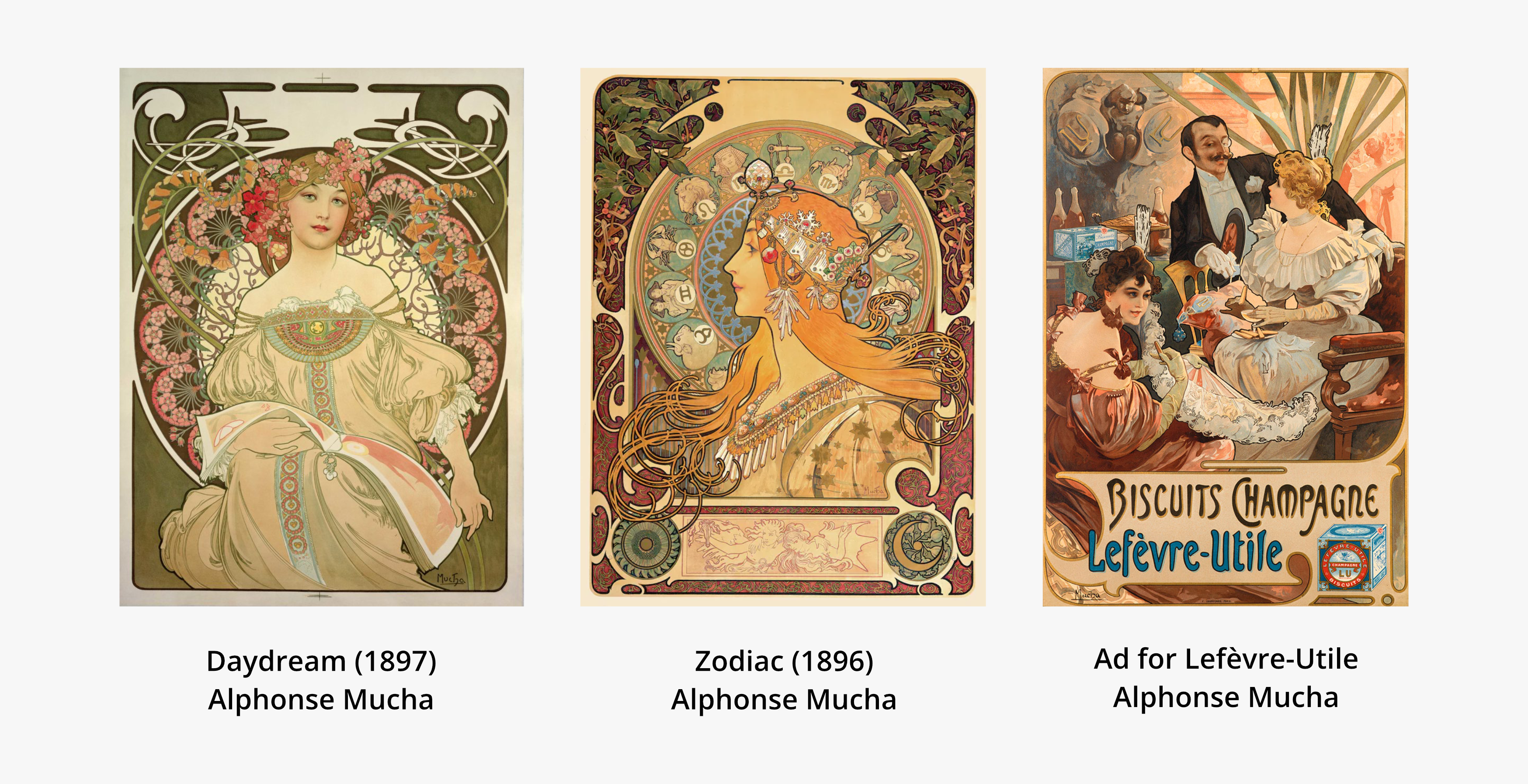
Art Nouveau brought a distinctive decorative style inspired by nature. Flowing lines, organic shapes, floral motifs, and elegant compositions became defining features. Illustrators created posters and illustrations that blended art, advertising, and design. Figures were stylized and graceful, often framed by ornate patterns and curved typography. This movement demonstrated how illustration could merge fine art and commercial design in striking ways.
Cubism (1907 - 1914)
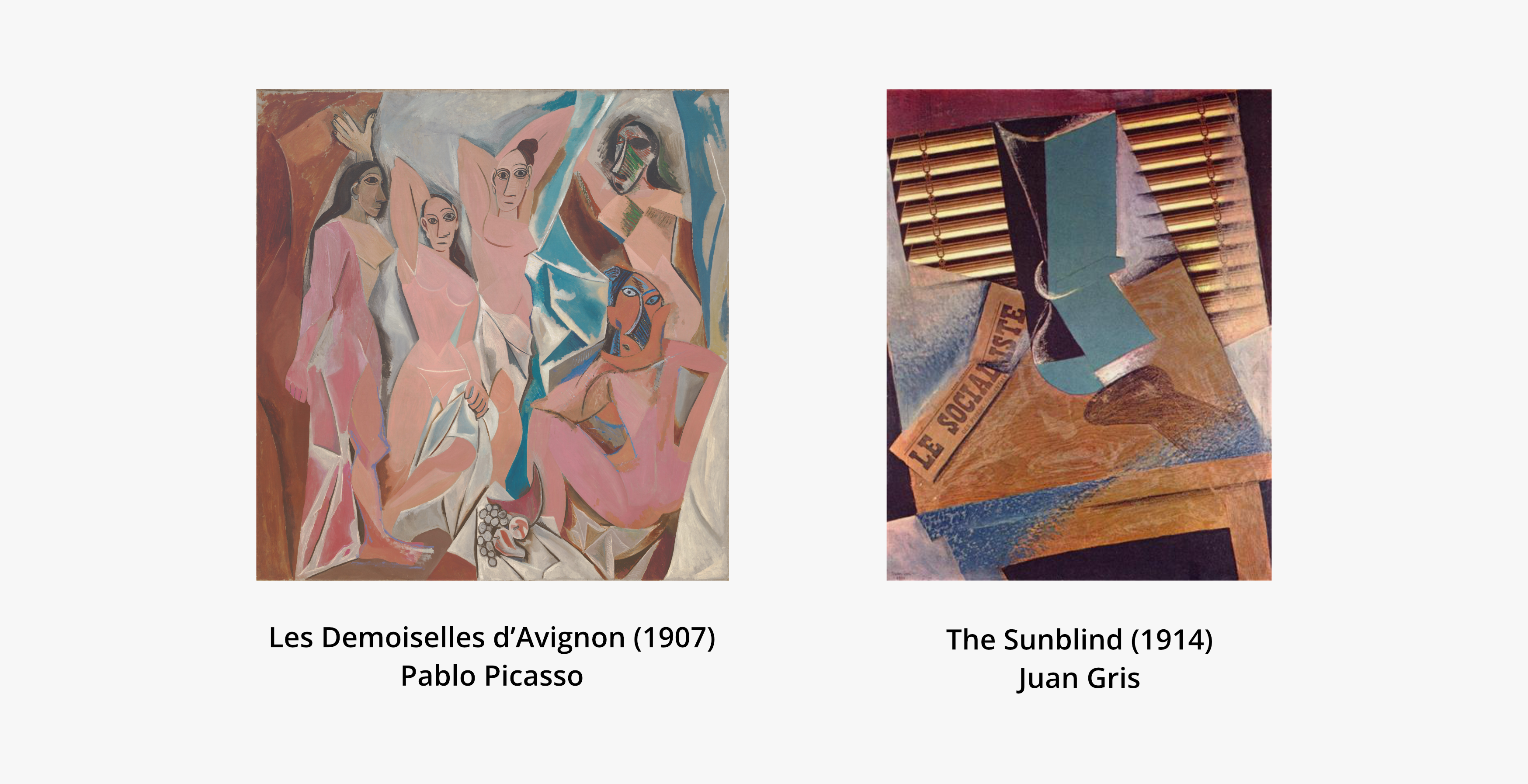
Cubism was a revolutionary art movement that broke away from traditional perspectives and representation. Instead of depicting subjects from a single viewpoint, Cubist artists fragmented objects into geometric shapes and showed multiple perspectives simultaneously, creating abstract, layered compositions.
Bauhaus (1920s - 1930s)
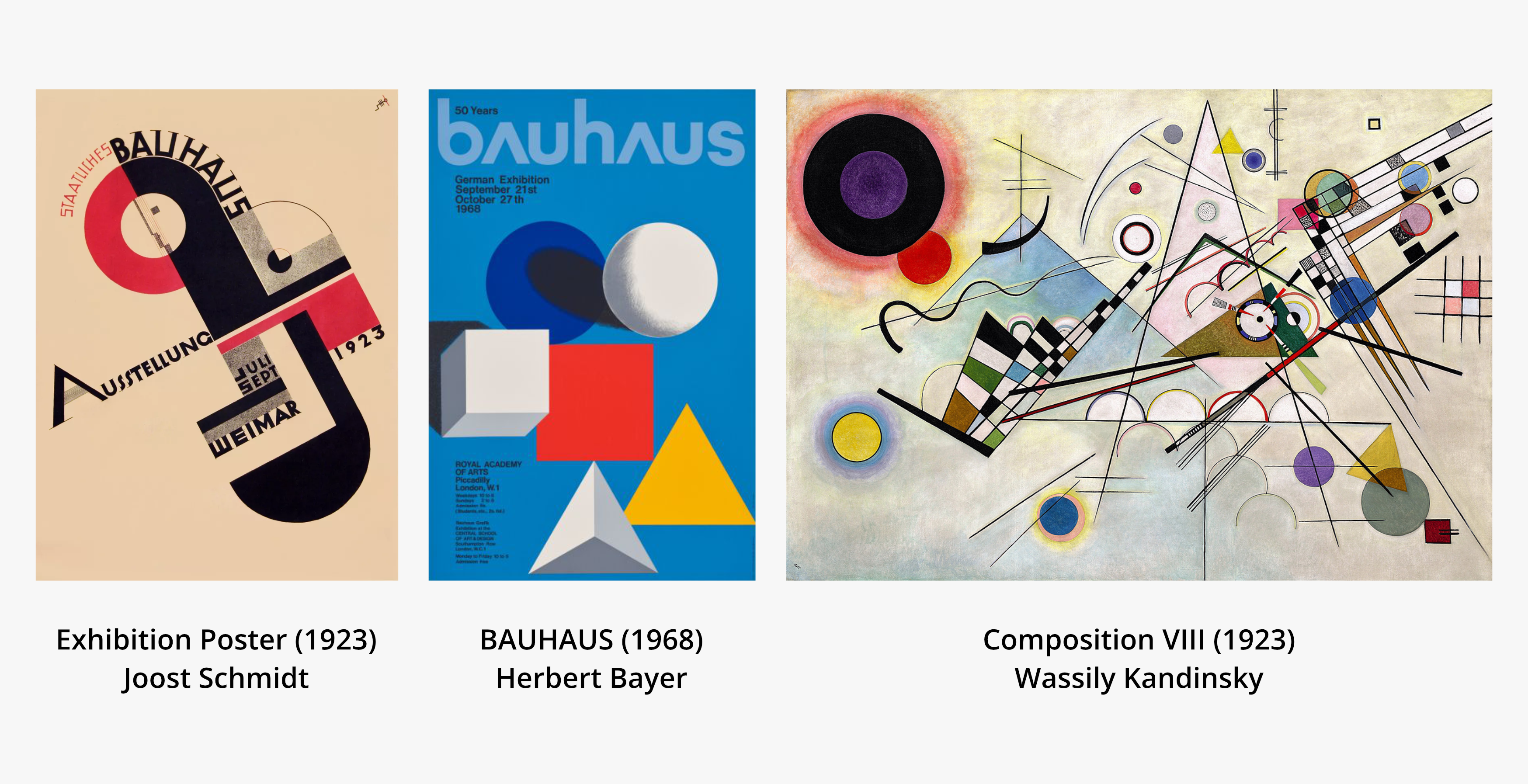
The Bauhaus was an influential art, design, and architecture movement founded in Germany that was centered on the idea of uniting art and industry. It emphasized simplicity, functionality, and clean geometric forms, rejecting unnecessary decoration in favor of practical, modern design. Its minimalist approach and focus on form following function have had a lasting impact on modern design and continue to influence contemporary aesthetics today.
Pop Art (1950s - 1960s)
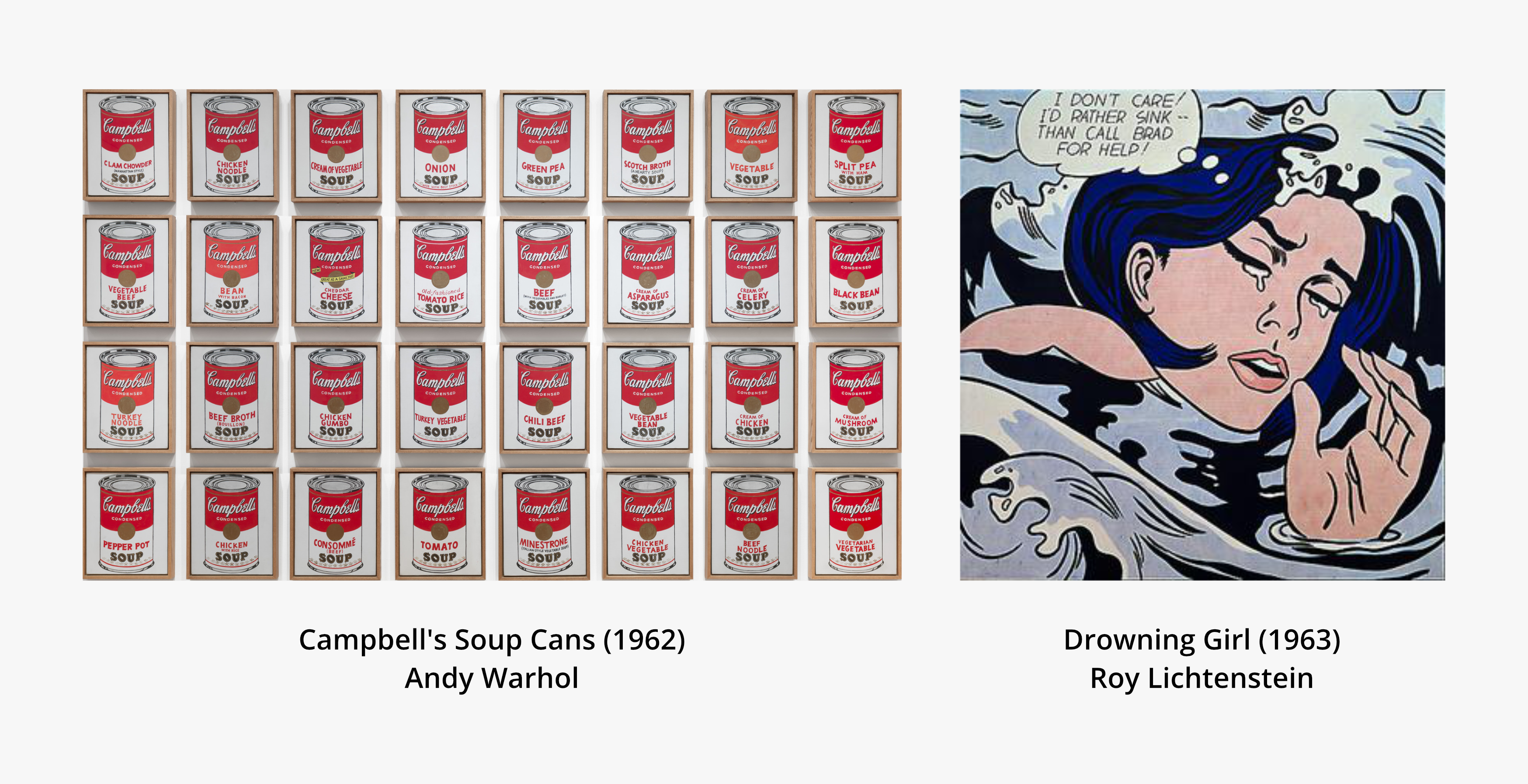
In post-war Britain and America, a new generation of artists challenged traditional ideas of art, turning away from academic styles that felt disconnected from everyday life. Instead, they drew inspiration from popular culture, such as films, advertisements, comic books, and consumer products, using familiar, mass-produced imagery to create a more accessible and relatable form of art. Through bold colors, repetition, and striking visuals, Pop Art blurred the line between fine art and commercial design.
Minimalism (1960s - 1970s)
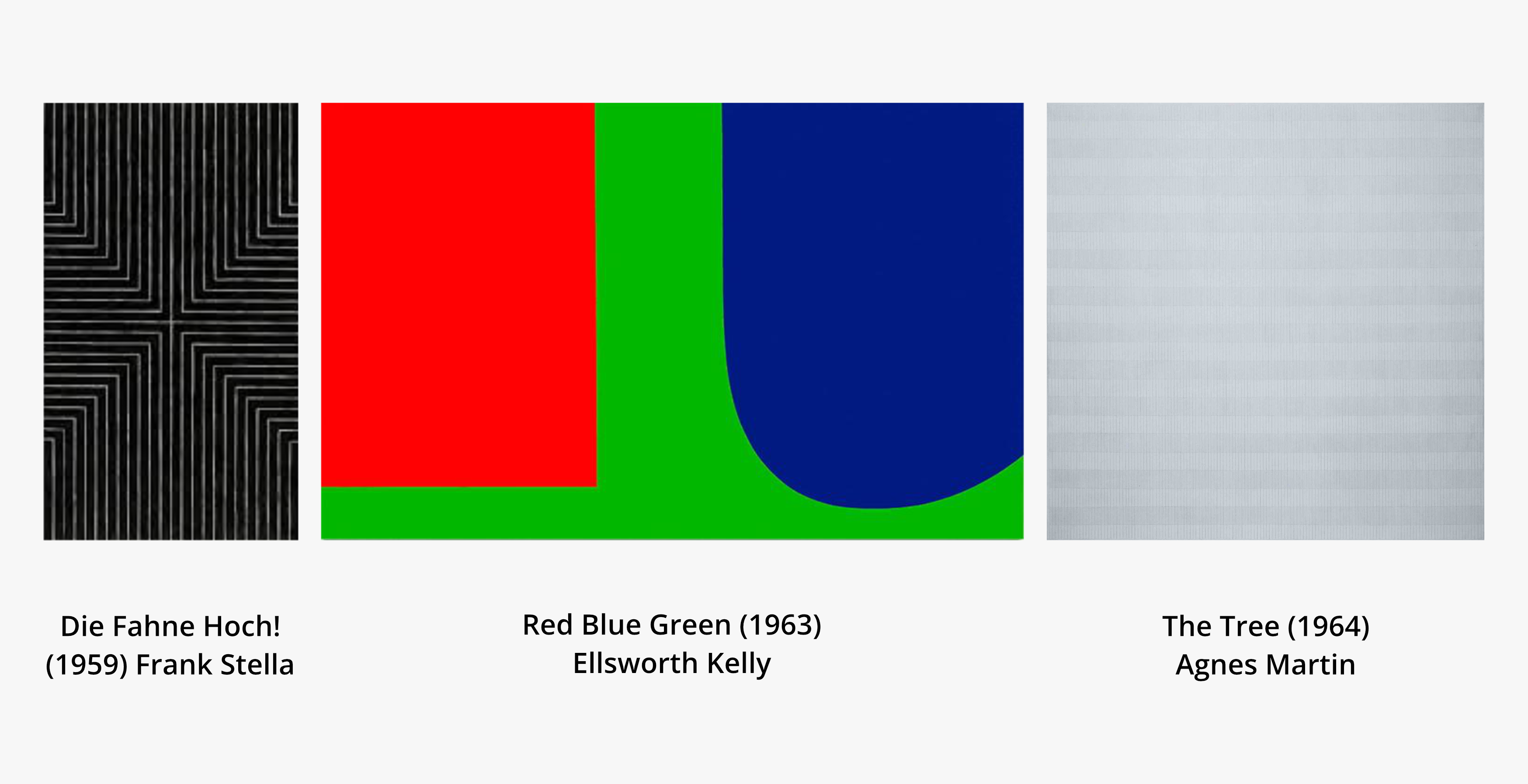
Minimalism is an extreme form of abstract art that is defined by its focus on simplicity, clarity, and the essential elements of form. It embraces literalism, rejecting symbolic narratives in favor of highlighting the physical characteristics of the artwork itself, such as shape, color, and material. As artist Frank Stella famously stated, “What you see is what you see.”
Contemporary (1960s - Present)
While its exact starting point is unclear, this movement is often described as “the art of today.” Anyone who has visited a modern gallery knows how difficult it is to define, as it encompasses a wide range of approaches and styles. Contemporary art can sometimes be met with skepticism, partly because it prioritizes ideas over traditional aesthetics, lacking the distinct visual styles seen in earlier movements. Rather than focusing on appearance alone, many contemporary artists work across various media to explore social issues, contributing to broader conversations around identity, community, and culture.
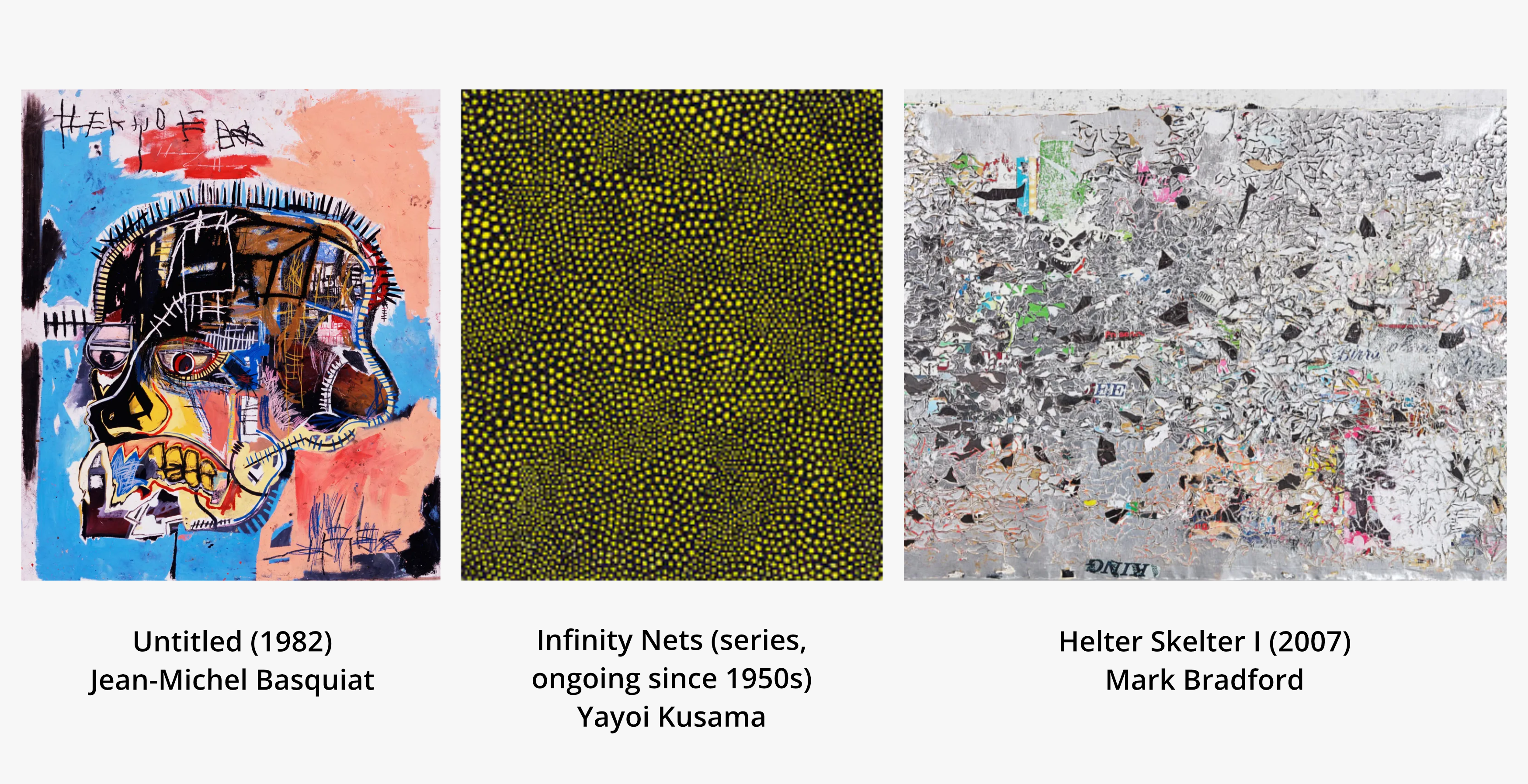
Illustration styles have always evolved alongside culture, technology, and artistic exploration. Each era introduces new techniques and visual languages while building upon the traditions of the past.
Today’s illustrators draw inspiration from centuries of artistic innovation. Understanding these historical styles not only enriches our appreciation of visual art but also reminds us that illustration is a living, evolving form of storytelling. As tools and technology continue to advance, the next chapter in illustration history is still being drawn.


